
SPECIALTY Services
Landscaping Services
General & Career Inquiries: 800.221.8158
Sales & Service: 800.380.7765
Private Education Facilities Strategy Playbook
How private schools can reduce risk, stabilize costs, and elevate the campus experience
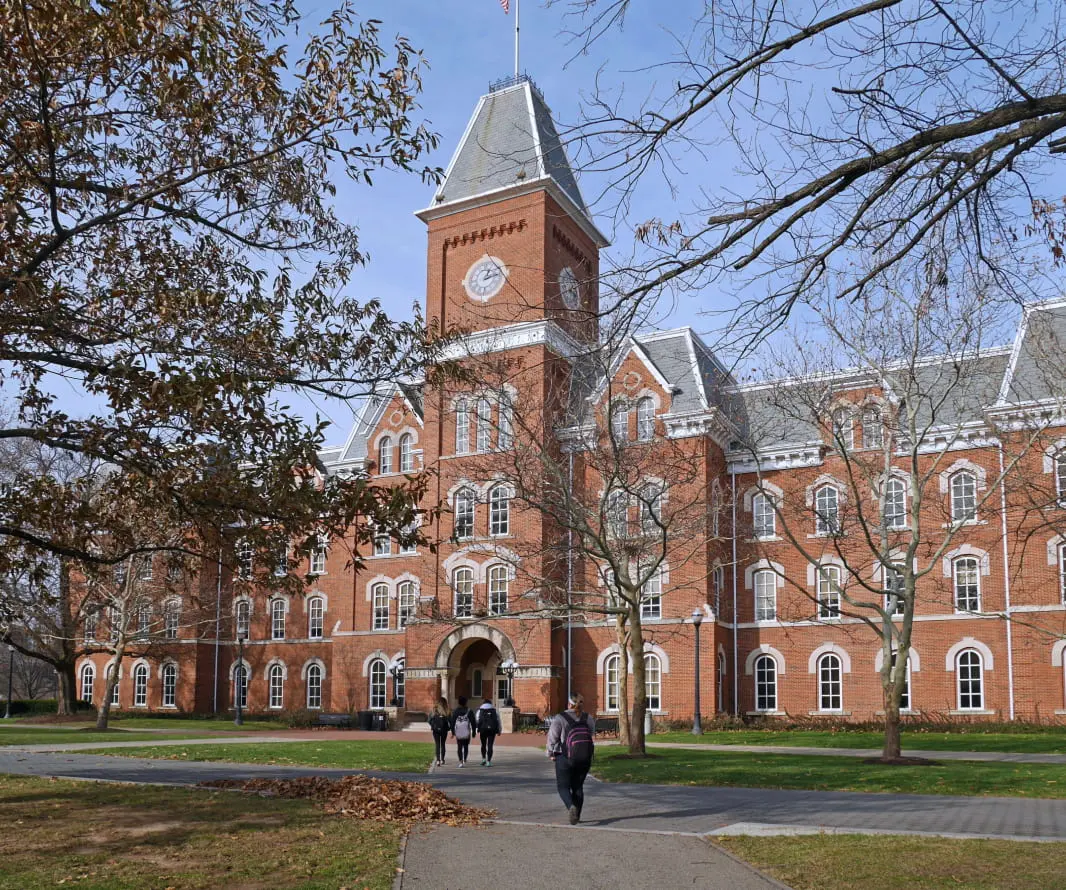
Private schools are under pressure from every direction. With nearly 30,000 private schools serving more than 4.7 million students nationwide, the expectations placed on campus experience and performance are significant—and rising. Leaders are balancing enrollment goals, family expectations, donor relationships, student experience, and financial stewardship—all while trying to maintain campuses that are increasingly complex to operate. The challenge is not that schools don’t care enough about facilities. It is that facilities management is too often forced into the background until something breaks, a complaint surfaces, or an urgent need pulls leadership back into operational mode.
That is why facilities strategy deserves a more central role in private education leadership. A campus is not simply a collection of buildings and grounds. It is a daily expression of institutional quality, care, and stewardship. It shapes first impressions, influences student experience, reinforces donor confidence, and affects how much time leaders can spend moving the institution forward, instead of reacting to disruption.
This guide explores why so many schools end up operating reactively, the resulting costs beyond maintenance budgets, and the benefits a more strategic approach can yield.
1. The Reality
Most schools are not underperforming. They are overloaded.
In private education, facilities teams are rarely judged on the basis of long-term planning. More often, they are judged by how quickly they respond when something goes wrong. A leak appears before an event. A vendor misses a detail. HVAC issues surface on a day when families are touring campus. A staffing gap forces someone to reshuffle priorities again. What should be managed systematically gets handled situationally.
This is not usually the result of poor leadership or lack of commitment. At many schools, it is the natural outcome of fragmented execution, aging infrastructure, limited internal bandwidth, and constant interruption. Even strong teams can end up spending most of their time responding to immediate needs instead of reducing the likelihood of future ones.
Consider a typical week to illustrate the problem. Monday starts with a facilities issue in a high-traffic building. Tuesday brings a request to prepare for an admissions event. Wednesday is spent coordinating a vendor, following up on an incomplete repair, and addressing a complaint that could have been prevented with better visibility. By Thursday, leadership is pulled into an operational discussion that was never supposed to reach their desk. By Friday, the campus may be functioning—but only because people absorbed the stress and improvised around the gaps.
Most schools aren’t struggling because their teams aren’t capable. They’re operating in a system that forces them to react. And over time, that becomes incredibly expensive.
RT Wargo, Vice President of Private Education
THE BUDD GROUP
2. The Stakes
This is not just about buildings. It is about institutional performance.
When facilities strategy is underdeveloped, the consequences show up far beyond operations. They affect how a school is perceived, how confidently it can plan, and how effectively leadership can focus on priorities that drive growth.

Enrollment and first impressions
Families rarely evaluate a school based only on curriculum, mission, or outcomes. They also assess what they see and feel. The condition of academic buildings, residence halls, grounds, athletic spaces, and common areas sends a powerful message about institutional quality. A polished, well-maintained campus signals a high level of care and competence. A campus that feels neglected or haphazard can quietly undermine confidence before a conversation even begins.
That matters during admissions tours, open houses, move-in periods, homecomings, and every other moment when the physical environment helps shape the school’s story. Well-maintained campuses relate directly to student recruitment and creating strong first impressions among visitors.
Donor confidence and stewardship
Donors want to invest in institutions that appear well-run, well-cared for, and capable of stewarding resources wisely. Facilities play a visible role in that perception. When the campus reflects consistency and care, it reinforces the credibility of the institution behind it. When it does not, leaders may find themselves working harder to overcome doubts that should never have been introduced in the first place.
This is one reason facilities strategy should be viewed as part of advancement support, not just operations. Immaculate facilities can inspire donor confidence and support future investment.


Leadership time and burnout
In many schools, operational problems do not stay operational for long. They escalate upward. A facilities question becomes a finance issue. A vendor issue becomes a leadership issue. A recurring campus problem becomes a board-level frustration because it keeps surfacing at the wrong moments.
That creates a costly pattern: highly capable leaders spend time firefighting instead of leading. Their attention is pulled toward immediate fixes, workarounds, and vendor coordination rather than strategy, growth, and institutional priorities. Over time, this constant re-entry into operational detail creates fatigue—not only for facilities leaders, but for heads of school, CFOs, presidents, and other senior stakeholders.
Financial unpredictability
Reactive operations almost always create financial instability. Deferred maintenance compounds quietly, contributing to an estimated $85 billion backlog across U.S. schools, while emergency repairs can cost four to five times more than planned work. At the same time, fragmented service models make it harder to identify overlaps, inefficiencies, or recurring root causes, turning what could have been addressed early into a larger and more expensive problem later.
A more strategic approach does not eliminate cost. But it changes the nature of cost. Instead of repeated surprises, schools can work toward greater predictability, better planning, and stronger alignment between facilities investment and institutional priorities. Wisely integrated operations can reduce expenses and maintain budget efficiency.

The larger point is simple: facilities decisions are risk decisions. They affect perception, performance, and predictability—not just upkeep.
3. Where Things Break Down
The issue is rarely effort. It is a matter of structure.
Most schools do not struggle because people are not working hard enough. They struggle because the operating model around facilities is difficult to sustain.

Deferred maintenance
Small issues rarely stay small. Across the sector, deferred maintenance continues to grow year over year, turning minor delays into larger capital challenges. A minor repair that gets postponed because of a tighter immediate priority can become a larger capital issue later. Systems wear down gradually, often without much visibility, until the failure becomes urgent enough to demand immediate attention. By then, the institution is no longer making a proactive decision. It is paying the price of delay.
Deferred maintenance also has a leadership visibility problem. It is not always obvious in budget meetings or day-to-day campus walkthroughs how many future issues are accumulating beneath the surface. That makes it easy to underestimate risk until it becomes costly.

Fragmented vendors
Many schools have assembled facilities support over time, not by design. One vendor handles custodial services, another covers grounds, another is used for maintenance or repair, and additional specialists are brought in as needed. Each may be competent individually. But when service delivery is fragmented, accountability becomes harder to track and consistency becomes harder to maintain.
The result is often more management, not less. Internal leaders spend time coordinating across providers, clarifying responsibilities, addressing handoff failures, and chasing outcomes rather than focusing on the campus experience they actually want. An integrated turnkey approach overcomes the fragmentation that tends to create inefficiency and added expense.

Institutional knowledge risk
In many schools, the operating system lives in people’s heads. A longtime facilities leader, trusted manager, or key team member knows what to check, when to escalate, which vendor to call, and how to solve recurring issues. That knowledge may not be documented, standardized, or easy to transfer.
When those individuals leave, retire, or shift roles, the school can lose more than a person. It can lose continuity. New leaders inherit gaps, guesswork, and uneven service patterns that take time to identify and even longer to stabilize.

Inconsistent campus experience
One of the clearest signals that the system is not fully working is inconsistency. Some areas of campus feel polished while others feel overlooked. Some events run smoothly while others expose gaps in preparation. Some buildings reflect a strong standard while others seem to follow a different one entirely.
Students notice that. Families notice it. Donors notice it. Leadership notices it. The campus starts to feel less like a coherent institution and more like a patchwork of varying conditions and expectations.
This is where many schools begin to realize they do not simply need more effort. They need a better operating model.
4. The Shift
What strategic facilities management actually looks like
“A strategic approach doesn’t mean adding complexity,” says Wargo. “It means creating enough structure that you’re not solving the same problems over and over again.”
At a high level, the shift looks like this:
Reactive: Fix when broken
A reactive model addresses issues after they are visible.
Strategic: Prevent before failure
A strategic model creates routines, visibility, and maintenance planning that reduce the frequency and severity of disruption. For example, instead of waiting until a recurring HVAC issue interrupts occupancy or comfort, a school develops a process to identify and address patterns before they affect the campus experience.
Reactive: Siloed vendors
A reactive model manages each vendor relationship separately and hopes the pieces add up.
Strategic: Integrated approach
A strategic model treats service delivery as one coordinated system. Custodial, grounds, maintenance, and specialty needs are aligned around common standards, communication, and outcomes. An integrated service model yields advantages across custodial, groundskeeping, maintenance, and specialized support.
Reactive: Experience-based decisions
A reactive model often depends on memory, instinct, and whoever happens to know the history.
Strategic: Data-informed planning
A strategic model uses inspections, reporting, recurring review, and trend visibility to support better decisions. This does not require overengineering. It simply requires enough structure to move from anecdotal response to informed planning.
Reactive: Short-term fixes
A reactive model optimizes for the immediate moment: solve the current issue, get through the event, restore service, move on.
Strategic: Long-term lifecycle thinking
A strategic model asks what the issue reveals about process, asset condition, service levels, or future investment. The question becomes not only “How do we fix this?” but “How do we reduce the chance of seeing this again?”
That is the real shift. Strategic facilities management is not just better maintenance. It is a better way to manage risk, consistency, and leadership attention.
5. A Simple Framework
Your practical path from reactive operations to strategic leadership
For many schools, the challenge is not understanding the problem. It is knowing how to move forward without trying to overhaul everything at once.
One useful way to think about that progression is:
Stabilize
Standardize
Optimize
Lead
Stabilize: Stop the chaos
The first priority is to create a dependable operational foundation. That means addressing immediate risks, establishing baseline service levels, and ensuring the campus has consistent coverage where it matters most.
At this stage, schools are not trying to perfect every process. They are trying to reduce disruption. What are the recurring pain points? Where are the most visible service gaps? Which issues are consuming disproportionate leadership attention? What needs to be stabilized so the institution can stop operating in a near-constant mode of response?
This phase is about restoring confidence. Not by promising transformation overnight, but by creating enough consistency that leaders are no longer surprised by preventable breakdowns.
Standardize: Remove variability
Once the campus is more stable, the next step is to reduce inconsistency. Standardization means clarifying roles, documenting expectations, aligning service levels, and making sure quality is not dependent on a handful of individuals holding everything together.
This is where schools begin to benefit from defined processes, clearer accountability, and more consistent execution across buildings, teams, and service areas. Rather than relying on “how we have always handled it,” they begin to establish a more durable operating system.
This approach also aligns with tailored yet systematic support for schools, including facility management, maintenance, grounds, custodial, and specialized services.
Optimize: Improve performance over time
With stronger consistency in place, schools can start improving how the system performs. Optimization is where facilities operations become more visible and measurable. Inspections become more useful. Reporting reveals patterns. Trend analysis helps leaders identify where time, money, and effort are being lost.
This phase is not about adding complexity for its own sake. It is about making smarter decisions with better information. Which recurring issues point to a deeper root cause? Where can scheduling, staffing, vendor coordination, or preventive maintenance reduce cost and disruption? What can be improved to support both operational quality and budget predictability?
Optimization turns facilities from a sequence of tasks into a managed system.
Lead: Elevate facilities to a strategic function
The final shift is leadership. At this stage, facilities management is no longer viewed only as support work that happens behind the scenes. It becomes part of how the institution advances its larger goals.
That means facilities conversations start connecting more clearly to enrollment, student experience, donor perception, event readiness, and long-term financial stewardship. The question is no longer simply whether the campus is being maintained. It is whether the campus is helping the institution perform at the level it aspires to.
That is when facilities strategy starts to matter not only to operations leaders, but to executive leadership as well.
6. What This Framework Enables
See what changes when the system starts working better
A more strategic facilities approach does not remove every challenge. Campuses are complex, and private schools will always have competing priorities. But it does change how those challenges are managed—and what leaders are free to focus on.

Better leadership focus
“When the system is working, leadership gets time back,” says Wargo. “And that changes everything.”
When facilities operations are more stable and predictable, leaders spend less time getting pulled into day-to-day issues. They can focus more fully on enrollment, advancement, academics, growth, and institutional planning. The work of leadership becomes less reactive and more directional.
More predictable costs
Strategic facilities management helps schools reduce the surprise factor. Issues are identified earlier. Planning improves. Service standards become clearer. Budget conversations become less about absorbing the latest emergency and more about making informed decisions over time.


Stronger campus experience
A more consistent campus creates a better experience for everyone who interacts with it. Students benefit from cleaner, safer, better-maintained environments. Families experience a stronger first impression. Visitors and donors see visible evidence of stewardship and care. Facility excellence links directly to student recruitment, student retention, learning environment, and institutional reputation.
Greater operational confidence
Perhaps most importantly, leaders gain confidence that the system is working. They are not relying entirely on heroics, memory, or workarounds. They have a clearer picture of what is happening, what needs attention, and how operations are supporting institutional goals.
That confidence matters. It changes not just how facilities perform, but how leadership feels about the institution’s ability to execute.

7. How to Get Started
You don’t need to overhaul everything to make progress
For schools that recognize themselves in this pattern, the right response is not necessarily a major transformation effort. Often, the best next step is a more structured understanding of the current state.

Signals your school may be ready
You may be ready for a more strategic approach if any of the following feel familiar:
- Leadership is spending too much time on operational issues.
- Budget surprises are becoming more common.
- The campus experience feels uneven from one area to another.
- Vendor oversight is taking more internal effort than expected.
- Maintenance issues are being solved repeatedly rather than permanently.
- Institutional knowledge is concentrated in a few key people.
- Campus appearance and performance are carrying more weight in enrollment and advancement conversations.
Practical first steps
Attempting to solve everything at once is not a good starting point. First, gain visibility into the situation as a whole.
Begin by documenting the current environment. What providers are involved today? What are they responsible for? Where do gaps, overlaps, or recurring issues appear? Which problems surface most often, and which ones consume the most leadership attention?
From there, identify the top three recurring operational pain points. These are often the clearest indicators of where the system is under strain. Then align internally on priorities. Is the institution most concerned with reducing risk? Improving consistency? Stabilizing cost? Enhancing the campus experience? The answer helps determine what progress should look like.
The goal is not to create a perfect plan on paper. It is to move from vague frustration to a clearer operating picture.
For many schools, the most useful next move is simply to benchmark the current state and explore what a more structured approach could look like. That may mean reviewing service models, evaluating readiness, or conducting a facilities assessment to identify where stabilization and standardization would create the most immediate value.
The point is not to add another vendor conversation. It is to clarify whether the current system is truly helping the school meet its goals.
Private education does not need more activity. It needs more alignment.
Private schools do not lack commitment. They lack time, consistency, and operational models that make long-term excellence easier to sustain. Facilities strategy matters because campus performance matters—and campus performance influences far more than building condition.
- It influences how families perceive the institution.
- It influences whether donors see strong stewardship.
- It influences how much time leaders can spend on strategy instead of reaction.
- And it influences whether costs remain manageable or become increasingly unpredictable.
The schools that move forward most effectively are not necessarily the ones doing the most. They are the ones building systems that support better decisions, stronger execution, and a more consistent campus experience over time. The real opportunity is not to simply maintain the campus, but to manage it in a way that strengthens the institution.

If your school is ready to move from reactive facilities management to a more strategic, dependable approach, now is the time to start the conversation.
Contact The Budd Group to discuss facilities needs on your campus, explore where operational gaps may be creating risk or inefficiency, and identify practical ways to improve consistency and better support the full campus experience.
Sources
- National Center for Education Statistics (NCES), Private School Universe Survey.
- National Center for Education Statistics (NCES), Condition of America’s Public School Facilities.
- U.S. Government Accountability Office (GAO), K-12 School Facilities Report, 2020.
- APPA, Facilities Performance Indicators Report.