The Shift in Facility Care
Facility care is undergoing a fundamental reset.
What used to be a labor-driven, schedule-based function is becoming a more intelligent, data-informed discipline—one where robotics, sensors, and human expertise work in tandem to raise standards and reduce variability.
As buildings grow more complex and service expectations climb, leaders are recognizing that traditional approaches alone can no longer deliver the consistency or efficiency required. The next generation of operations will be defined by systems that blend automation with skilled teams, creating an environment where tasks are performed with greater precision, predictability, and sustainability.
Robotics is emerging as a key enabler of this shift. Market forecasts show the facilities robotics sector nearly doubling over the next decade—not because technology replaces people, but because it helps organizations solve the persistent challenges of scale, labor gaps, and quality assurance.
Today’s autonomous equipment is more capable than ever:
Covers large areas with methodical, repeatable accuracy
Performs high-frequency tasks without fatigue
Reduces energy and chemical waste through exact dosing
Produces real-time data that informs continuous improvement
But technology alone doesn’t raise standards—the integration model does. That’s where The Budd Group stands apart. By pairing advanced automation with on-site leadership, coaching, and quality oversight, robotics becomes an accelerant rather than an interruption. It’s introduced with purpose, supported by people, and measured against the outcomes that matter most to clients.
The Human Advantage in an Automated World
As automation becomes a more natural part of facility care, the question is no longer whether people or robots are more capable—it’s how the strengths of each can be combined to deliver more stable, consistent performance. Modern facilities operate best when automation, data insights, and skilled teams work as a unified system.
Autonomous equipment provides predictable, repeatable coverage across large zones, especially during off-peak hours. This creates a reliable, operational baseline. Teams build on that foundation by focusing on detailed tasks, service interactions, and real-time decisions that shape the day-to-day experience of a space.
At The Budd Group, each deployment is intentionally designed around this model. Automation is introduced in ways that support workflows rather than disrupt them. Leaders use performance data to refine routes and schedules. Teams use the time reclaimed from repetitive tasks to elevate quality, responsiveness, and guest experience.
The result isn’t technology overshadowing people—it’s technology strengthening the work people do. Teams feel supported. Environments remain consistently clean. And clients benefit from operations that are both efficient and human-centered.
How The Budd Group Makes Future-Tech Work Today
Integrating robotics into facility care isn’t simply a matter of selecting a machine—it’s designing an operating model where automation strengthens daily work rather than complicating it. The Budd Group focuses on creating systems in which robotics, data, and team workflows reinforce one another.
Effective integration begins with identifying where automation will make the clearest operational impact, whether in wide-area floor care, turf maintenance, or supply monitoring. From there, routes and schedules are planned so automated tasks complement—rather than compete with—human workflows.
Training equips teams not just to operate the technology, but to use the insights it provides. Leaders adjust routines based on real-world conditions and performance data. Over time, robotics becomes a seamless part of daily operations: predictable where consistency matters, flexible where conditions change.
Technologies shaping programs today include:

Autonomous
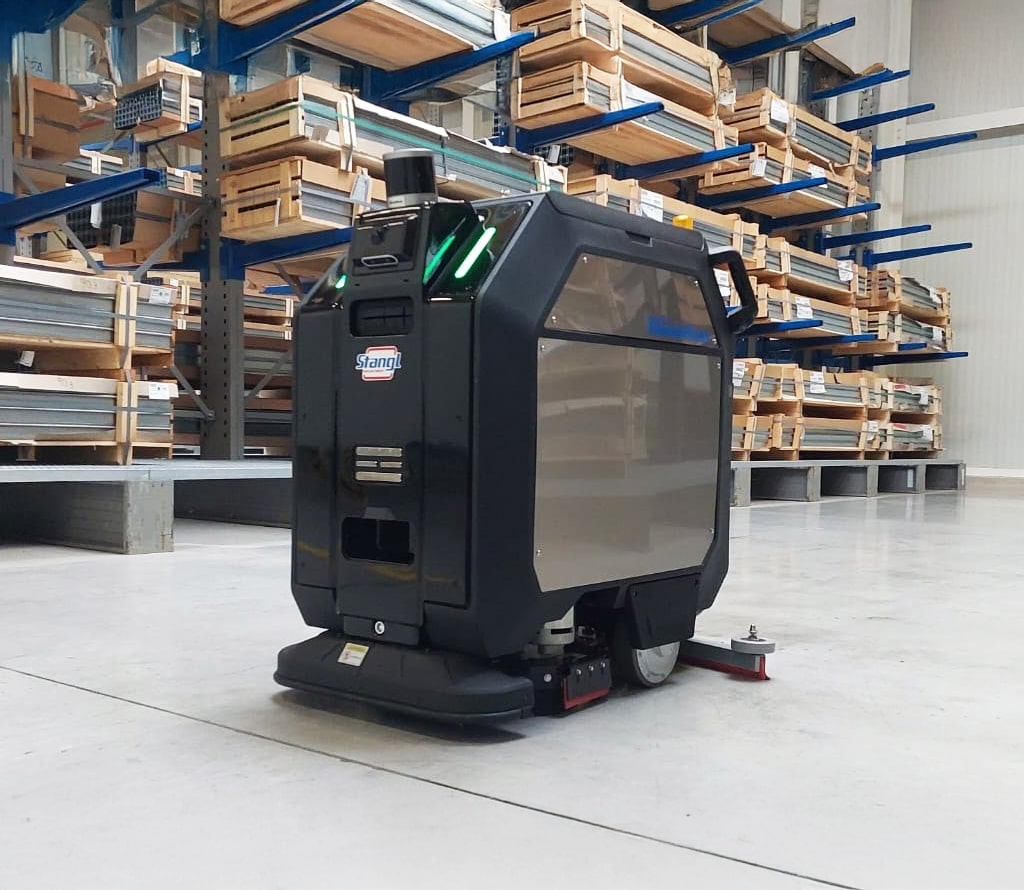
Floor Care
Methodical, consistent coverage across large carpeted and hard-floor areas.

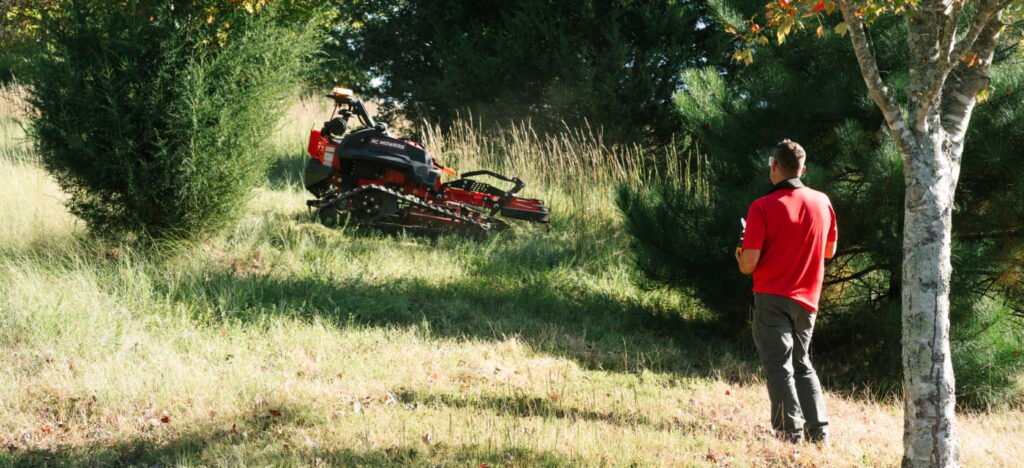
Robotic Mowing
Quiet, efficient turf maintenance timed around campus activity.
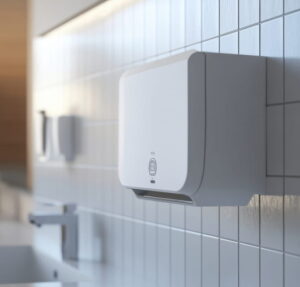
Connected Restroom Dispensers
Real-time supply alerts that reduce unnecessary checks.

Digital Monitoring Platforms
Dashboards that consolidate quality metrics, equipment status, and environmental data.
Confidence in Change: The Budd Group’s 5-Step Rollout Approach
Adopting robotics represents a meaningful operational shift, and the difference between success and frustration often comes down to how the transition is managed. Automation delivers its highest value when teams feel prepared, expectations are clear, and the technology is introduced with purpose.
The Budd Group uses a structured, people-first rollout approach designed to build confidence at every stage, minimizing disruption and ensuring that automation enhances daily operations from day one.
1. Assess & Align
Every facility has unique pressures, rhythms, and pain points. The Budd Group begins by evaluating where automation will have the greatest impact—wide-area floor care, turf maintenance, restroom stocking, or after-hours cleaning. This alignment step ensures robotics address real operational needs rather than becoming an added layer of complexity.
2. Plan & Pilot
Before technology goes live, The Budd Group pilots equipment in controlled areas to test routes, timing, and integration with human workflows. This phase is highly collaborative: teams provide feedback, leaders evaluate performance, and adjustments are made until operations run smoothly.
3. Train & Empower
The success of any robotics program depends on the people who work alongside it. The Budd Group trains onsite teams to understand the equipment, interpret alerts, respond to exceptions, and use performance data. When staff feel confident, adoption moves faster—and the technology delivers stronger results.
4. Measure & Optimize
Robotics produce a steady stream of information: coverage rates, route completion, quality audits, supply alerts. The Budd Group leaders use this data, combined with onsite observations, to refine operations and adjust to real-world conditions. Optimization becomes an ongoing advantage, not a one-time event.
5. Scale with Confidence
Once the foundational workflows are performing well, robotics can be expanded to additional buildings or service lines. Clear communication, consistent oversight, and documented best practices help ensure each new phase strengthens reliability without creating disruption.
This method supports both the technical side of automation and the human side, turning what could be a major change into a manageable, high-value improvement for teams and facilities alike.
Looking Ahead: The Future of Facility Operations
The future of facility care will be shaped by organizations that treat automation, data visibility, and human expertise as parts of a single, coordinated system. As expectations rise around quality, sustainability, and operational resilience, this integrated model will help facilities perform with greater confidence and consistency.
Automation delivers predictable coverage, measurable efficiency gains, and real-time insights that support smarter decision-making. Teams bring awareness, service, and the ability to navigate dynamic conditions. Together, these strengths produce operations that are cleaner, safer, and more adaptable to the demands of each environment.
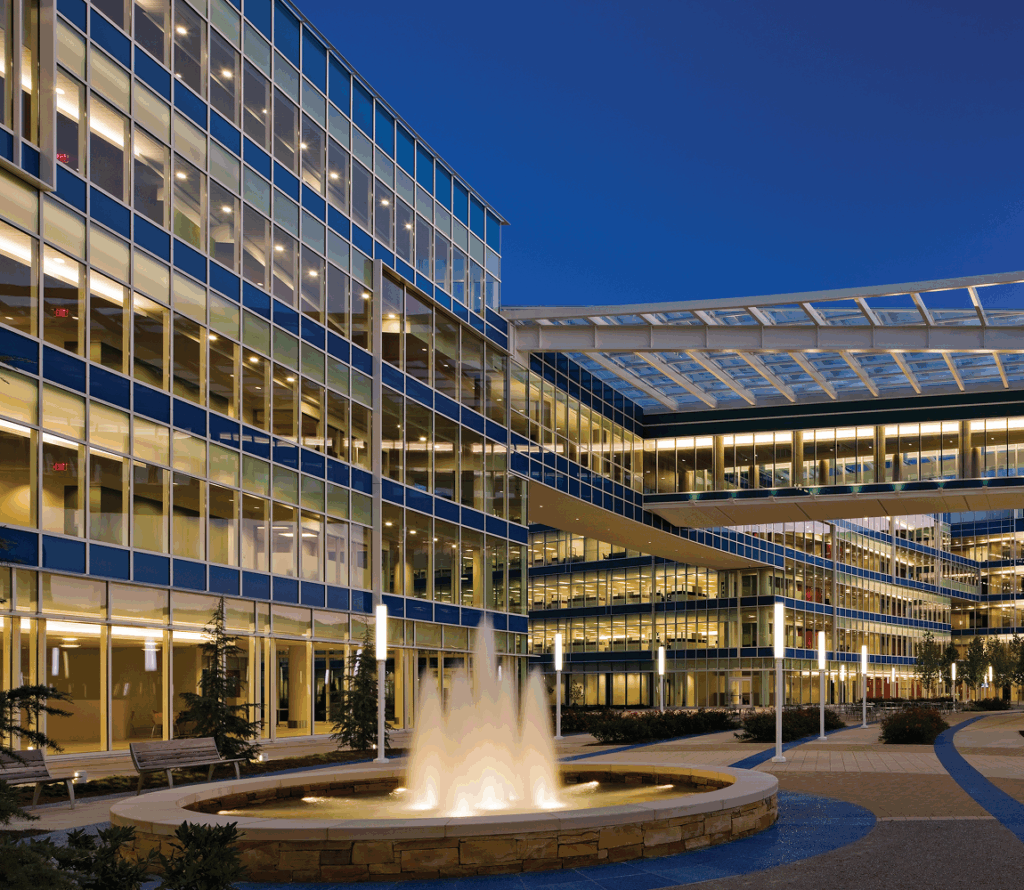
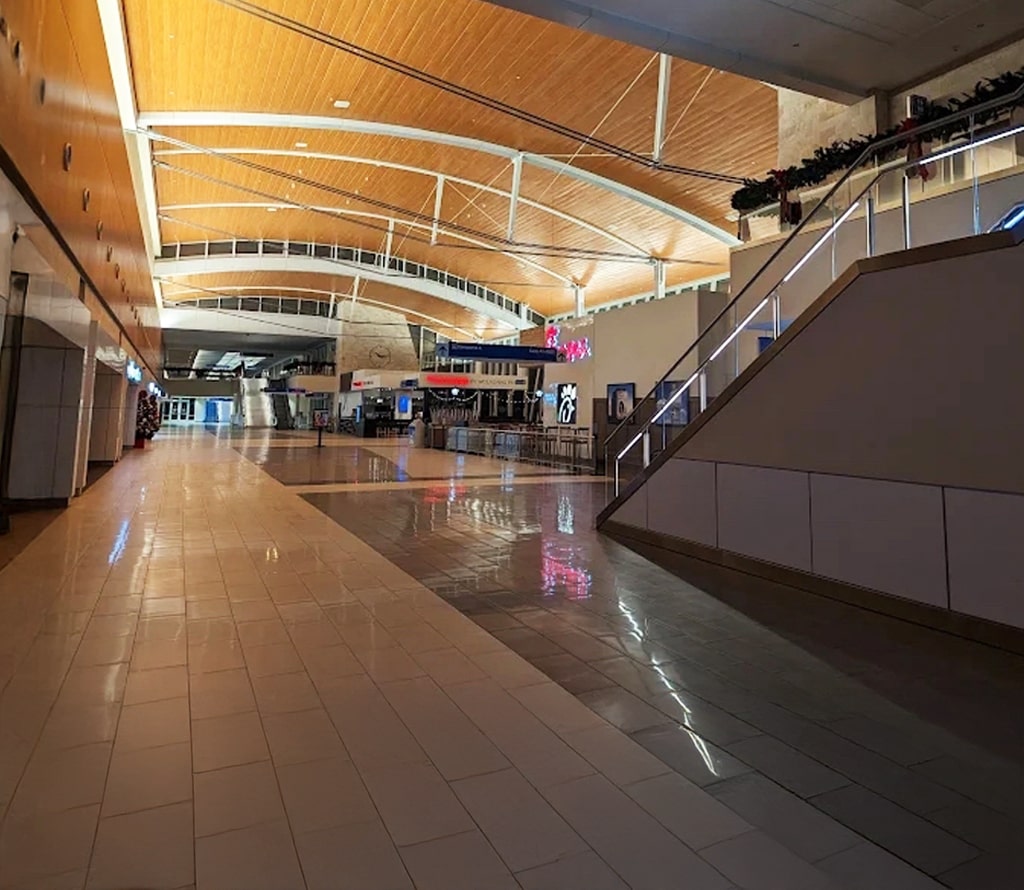
The Budd Group’s work across corporate campuses, airports, industrial sites, and educational environments demonstrates how thoughtful adoption of technology can elevate daily performance. When automation is introduced with a clear purpose and supported by training and leadership, it strengthens the entire operation—not by replacing work, but by enabling teams to perform at their best.
Facilities that lean into this blended model gain:

More predictable, high-quality coverage

Reduced strain and repetitive workload

Better-stocked restrooms and cleaner shared spaces

Greater resilience during staffing fluctuations

Improved sustainability and resource efficiency

Stronger occupant and guest experiences