
Field insights from properties across the Southeast
Across the Southeast, April reveals how landscapes handled winter and early spring. Turf begins pushing growth, foot traffic increases, and heavy rains expose drainage patterns that site plans rarely show.
For facilities leaders and property managers, this is the month when small landscape issues either stabilize—or turn into costly repairs later in the season.
In this month’s Grounds Report, our landscape teams share four areas we’re watching across campuses, corporate properties, and managed sites as activity ramps up.
This is when everything starts moving at once—turf, weeds, irrigation. If you’re not paying attention early, small issues escalate quickly.”
Michael Bingham, Vice President of Landscape
THE BUDD GROUP
WHAT WE’RE SEEING ACROSS PROPERTIES THIS APRIL
Across properties throughout the Southeast, April tends to surface the same four landscape patterns as activity ramps up:
- Turf Stress Near High-Traffic Areas
Entrances, event spaces, and pedestrian shortcuts often show thinning before turf has fully strengthened. - Uneven Growth Across Sun and Shade Zones
Different parts of the property begin growing at different speeds, creating the appearance of inconsistent maintenance. - Drainage Issues Revealed by Spring Storms
Heavy rain quickly exposes drainage weak points, pooling areas, and erosion along slopes and walkways. - Operational Pressure as Activity Ramps Up
More events, deliveries, and daily traffic increase pressure on landscape teams and equipment.
Below are a few quick ways facilities teams can stay ahead of these patterns.
ZONE ONE: TURF AND EARLY SEASON PRESSURE
Protect growth under heavy use
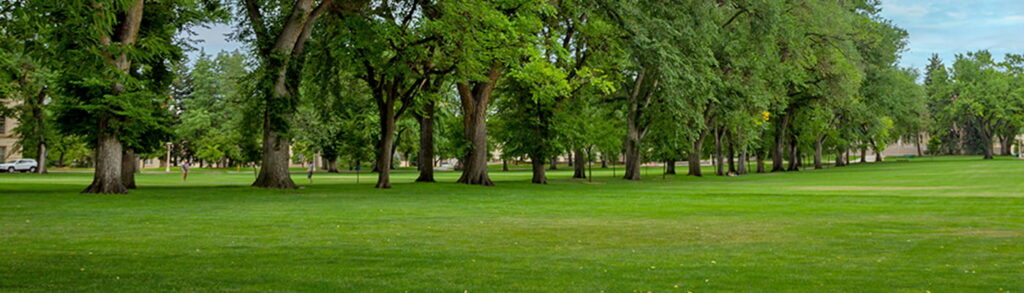
By April in the Southeast, turf is pushing growth but hasn’t built full strength yet. Thin spots and worn paths can appear where traffic outpaces recovery, especially near entrances and high-use areas.
After busy days or events, check the property for early stress. Pay particular attention to:
- Entrances and informal “desire paths” where pedestrians cut across turf
- Event lawns or gathering areas that see repeated foot traffic
- Tight turns where landscape equipment regularly pivots
- Shaded fescue zones where recovery is slower
Small adjustments early in the season often stabilize turf quickly. Light topdressing, targeted aeration, irrigation adjustments, or temporarily rerouting foot traffic can make a noticeable difference.
Different turf types also respond differently to traffic:
- Fescue in shade thins more quickly under repeated use
- Bermuda in sun handles traffic better but may show tire ruts sooner
Addressing these areas early prevents minor wear from turning into larger recovery projects later in the season.
ZONE TWO: UNEVEN GROWTH ACROSS THE SITE
Address areas that surge ahead and others that may lag behind
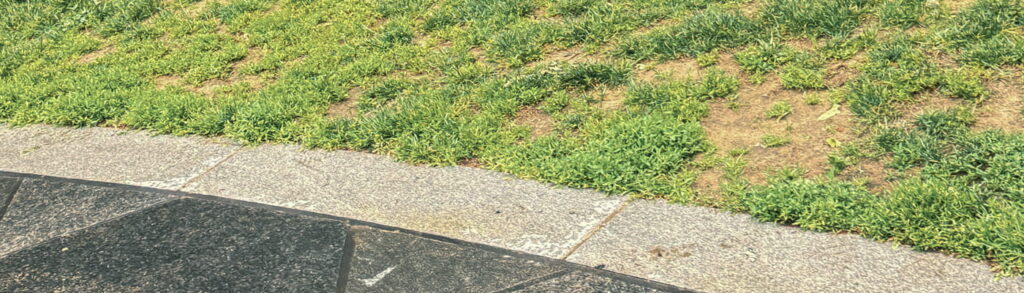
Across many Southeast properties, one of the first patterns to appear in April is uneven growth. Areas exposed to full sun often accelerate quickly, while shaded sections or low-lying areas may lag behind by several weeks.
This normal seasonal pattern can sometimes appear as inconsistent maintenance if it isn’t explained clearly. Differences in sun exposure, drainage, soil, and wind can shift plant growth timelines across the same site.
A quick site walk can help identify these patterns. Look for:
- Sun vs. shade zones
- Wet vs. dry areas
- Wind-exposed edges vs. sheltered sections
These patterns often guide mowing schedules and landscape inputs. Shade areas may require less frequent mowing, while sunnier zones can accelerate quickly and need more frequent attention.
Matching treatments and maintenance schedules to actual site conditions helps reduce wasted inputs and builds confidence with property stakeholders.
ZONE THREE: SPRING RAIN & WATER MOVEMENT
Let April storm showers show you any weak points
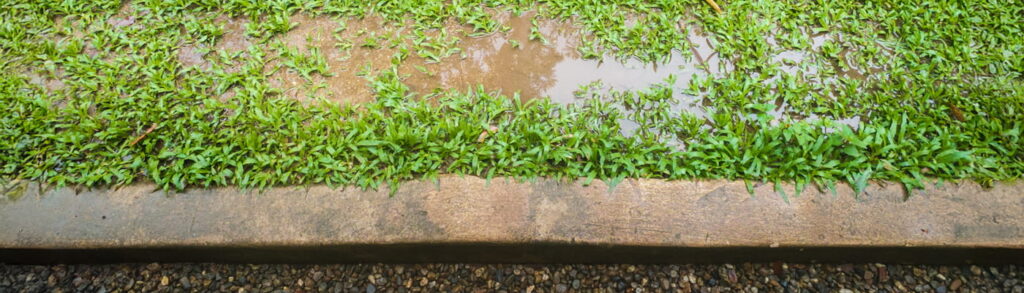
Across Southeast properties, April rains quickly reveal how water actually moves across a site.
Pooling, soil washout, and clogged drains often appear after storms. One heavy rain can expose issues site plans never show.
After a heavy rain, a quick walk around the property often reveals:
- Standing water near entrances and walkways
- Erosion along slopes or building edges
- Drains or inlets collecting debris
Documenting these areas with photos can help prioritize repairs and support work orders.
Many of these issues have relatively simple solutions:
- Clearing drains and catch basins
- Filling minor ruts or low spots
- Adjusting slopes to improve runoff
Addressing drainage concerns early helps reduce safety complaints, prevents turf loss, and avoids repeat service calls later in the season when other priorities are sure to surface.
By April, you can usually tell how the season will play out. Teams that adjust early avoid bigger issues—and bigger costs—later.
Jon Larsen, Chief Operating Officer
THE BUDD GROUP
ZONE FOUR: WHEN ACTIVITY RAMPS UP
Pressure shows up in teams and tools

By April, most properties start seeing a noticeable increase in activity. Event schedules fill up, deliveries increase, and landscape teams move faster to keep everything looking sharp.
Processes that worked smoothly earlier in spring can begin to strain under heavier workloads. For many properties, repeatable habits help keep operations steady during the busiest part of the season.
Well-run landscape operations often rely on a few simple habits:
- Regular coordination around events and delivery schedules
- Quick equipment checks that prevent unexpected downtime
- Clear prioritization of work that protects the property’s appearance first
- Early communication about changes or emerging issues
Even short daily check-ins can catch scheduling gaps before they turn into bigger issues. Simple equipment checks often catch worn belts, dull blades, or loose fittings before they take a mower offline the next workday.
These small operational habits help ensure crews stay focused on the work that protects the property’s appearance first.
YOUR APRIL PLAYBOOK: A SIMPLE SEQUENCE
Handled in sequence, these priorities help properties stay steady as the growing season accelerates:
- Week one: Turf checks and growth mapping
- Mid-month: Post-rain walks and mark down drainage adjustments
- Ongoing: Crew coordination, equipment readiness, and communication
Across many Southeast properties, these three checkpoints tend to keep landscapes stable through the busiest stretch of spring.
Partner with a Regional Expert for Top Results
Spring planning often benefits from a second perspective. Across the Southeast, our landscape teams regularly walk properties with facilities leaders to identify early seasonal issues before they become problems later in the year.
If you’re seeing uneven growth, drainage concerns, or heavier site traffic this spring, a quick site review can often uncover simple adjustments that keep the rest of the season running smoothly.
Learn how The Budd Group supports facilities teams across the Southeast.