
4 Big Priorities to Get Set Up for Spring
Late March is when turf wakes up and your spring operating rhythm gets set. When turf shifts from winter holdover to spring potential, the little things become the big things fast.
In this issue we cover four March priorities that cut rework, lock in quality, and keep operations predictable.
Spring is really about order of operations. Get that right, and the rest of the season goes a lot smoother.
Michael Bingham, Vice President of Landscape
THE BUDD GROUP
Zone One: Spring Fertilization
Driven by strategy, not stress
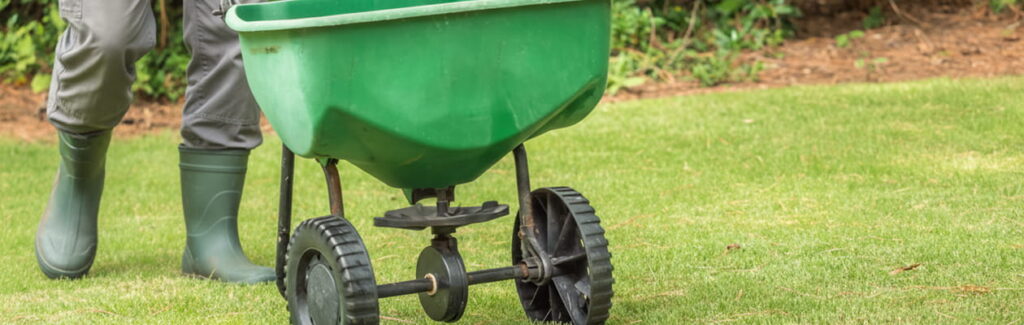
Doing your best now means matching inputs to what the turf is actually doing. In the Southeast, Fescue and Bermuda wake up on different timelines, and many properties have both. Shade, traffic, and drainage can shift growth rates across a single site.
Start by confirming what is planted where. Then align fertilization to turf type and growth stage. Fescue may respond earlier to warm spells, but aggressive feeding can create uneven growth and stress when temperatures shift. Bermuda is often still transitioning. Fertilizing before consistent green-up can waste product and encourage weeds in areas where Bermuda is still slow.
When available, soil testing helps confirm nutrient needs. If not, use performance history and known trouble spots to guide application and as growth progresses.
The winning benefits:
- Reduces uneven growth and hot spots that demand extra visits
- Lowers weed pressure by supporting healthy turf instead of feeding competitors
- Limits early-season stress during temperature swings
- Keeps the season more predictable for crews and budgets
Zone Two: Spring Startup Irrigation
Catch issues now, not in July

Turning irrigation on is easy. Turning it on correctly saves money, water, and headaches. Late March is the right time to treat startup like a quick system audit.
Start at the controller. Clear old seasonal settings, confirm zone labels, check rain or moisture sensors, and make sure schedules match current conditions. Then move zone by zone for broken or sunken heads, clogged nozzles, leaks at valves, and misting that points to pressure or distribution issues.
Check coverage. Dry corners and overspray now become midsummer headaches.
When time is tight, start where visibility and risk are highest: main entrances, primary walkways, slopes, and areas that browned out or puddled last year.
Every issue you catch now is one less emergency call when it’s hot, the system’s under full load, and crews are already stretched thin.
Jon Larsen, Chief Operating Officer
THE BUDD GROUP
The winning benefits:
- Saves water and utility spend by catching leaks and overspray early
- Prevents dry spots and plant loss before heat stress sets in
- Reduces emergency repairs during peak season
- Protects high-visibility turf and plantings that shape stakeholder perception
- Lowers complaint volume about puddles, slick walks, and dead zones
- Creates a smoother ramp-up for maintenance teams as the season accelerates
Zone Three: Mowing Season Kickoff
Standards first, speed second
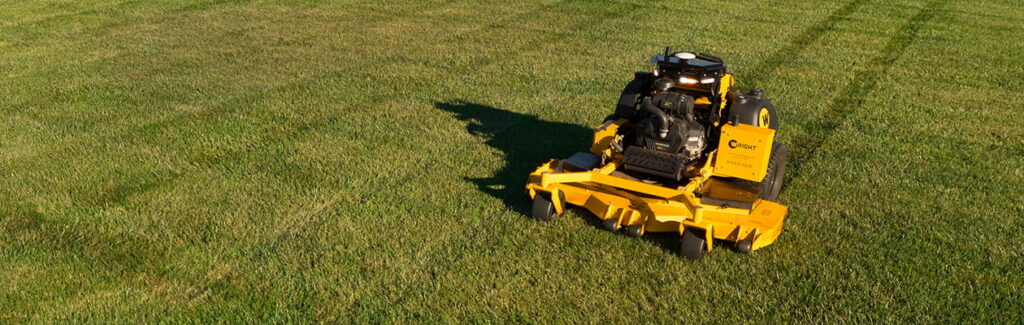
March mowing sets the tone for the season. Start with sharp blades and the right height of cut. Clean cuts look polished. Dull blades shred turf and leave brown tips that read as stress, even when the turf is healthy.
Avoid scalping or trying to catch up in a single visit. It can damage turf and invite weeds. A steady cadence that matches real growth protects both appearance and plant health.
Let turf type guide the plan. Fescue wakes up earlier and responds well to steady, moderate mowing. Bermuda green-up comes later, so adjust frequency and expectations by area. Also watch turns in soft spring soil–ruts near entrances and drives can linger for weeks.
The winning benefits:
- Reduces rework from scalping and uneven cuts
- Supports turf health by minimizing early-season stress
- Prevents rutting and compaction that linger through spring
- Delivers a consistent, professional look without extra labor
- Sets up stronger striping and finish quality for the season
Zone Four: Finish Quality and the “Class A” Look
Treat patterns and details as a system

Patterns, edges, and cleanliness form a visible quality standard for the property.
In late March, it’s important to define what “good” looks like and apply that standard consistently. Mowing patterns should be intentional and rotate on a schedule. Lines should reference walkways, curbs, and building edges so the site reads as clean and organized from a distance. Keep overlap consistent to avoid patchy shading.
Most importantly, finish work starts with these highest-visibility zones:
- Main entrances: crisp edges, cleared clippings, straight lines
- Signage corridors: clean bases, no blow-back on mulch, patterns that look intentional from the drive
- Primary drives: no clippings on pavement, consistent striping, tidy turns
- Arrival paths and walkways: clean corners, neat transitions, debris-free hard surfaces
The winning benefits:
- Creates measurable, visible quality that leaders and tenants can see on every visit
- Reduces complaints about clippings, messy edges, and uneven presentation
- Makes coaching crews easier because standards are clearly defined and visible
- Improves consistency across multisite portfolios, campuses, and regions
- Protects the “front door” experience that influences satisfaction and retention
The Final Whistle: Your Late March Priorities
Keep your late March playbook simple:
- Fertilization: Match timing and rates to turf type and growth stage
- Irrigation: Audit systems now to prevent midsummer surprises
- Mowing: Sharpen blades, set height standards, ease into cadence
- Finish: Prioritize highest-visibility zones first
Want a second set of eyes on your spring start setup?
We’re always happy to compare notes, share what we’re seeing across similar properties, or walk through your plan for the season ahead.